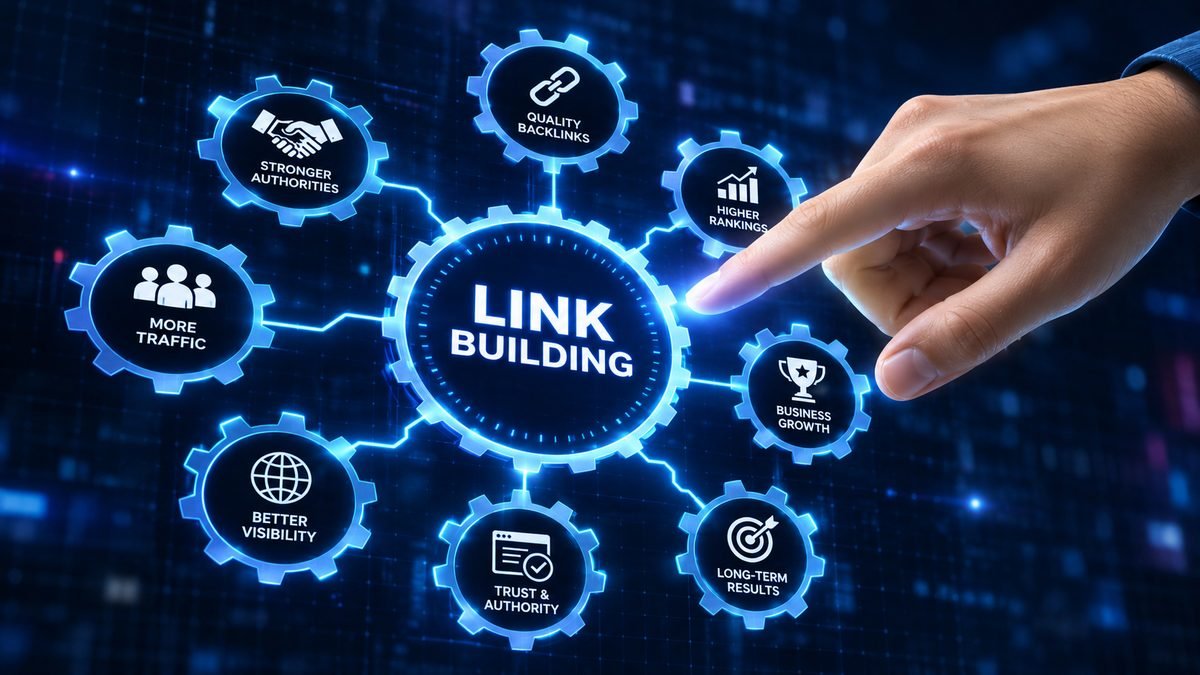
Link Building: How to Build High-Quality Backlinks and Improve SEO Rankings
In the world of SEO, creating valuable content is important, but it is only one part of achieving higher search engine rankings. Search engines like Google also consider how trustworthy and authoritative a website is. This is where Link Building becomes an important strategy.
Link building is the process of earning links from other websites that point toward your own website. These links are known as backlinks, and they act as a signal of trust. When a reputable website links to your content, it tells search engines that your website provides valuable information.
However, successful link building is not about collecting thousands of random backlinks. Modern SEO focuses on earning high-quality, relevant, and natural links that improve website authority and bring real value to users.
What Is Link Building?
Link Building is an SEO practice that involves getting hyperlinks from external websites to your own website. A hyperlink allows users to move from one website to another, while also helping search engines discover and evaluate online content.
For example, if a marketing website publishes an article about SEO tools and links to your SEO guide, that link becomes a backlink for your website.
Search engines analyze these backlinks to understand the credibility and popularity of websites. Websites with strong and relevant backlinks often have better chances of ranking higher in search results.
Why Is Link Building Important for SEO?
Backlinks are considered one of the most important ranking factors in SEO because they help search engines measure website authority.
When trusted websites mention and link to your content, it creates a positive signal that your website is reliable. This can improve your domain authority and increase your chances of appearing in front of more users.
Some important benefits of link building include:
- Improving search engine rankings
- Increasing website authority
- Driving referral traffic
- Building brand awareness
- Helping search engines discover new pages
A strong backlink profile can support long-term SEO growth and help your website compete in competitive industries.
Quality Matters More Than Quantity
In the past, many SEO professionals focused on getting as many backlinks as possible. However, search engines have become much smarter. Today, the quality and relevance of backlinks matter more than the total number of links.
A backlink from a trusted website within your industry can be much more valuable than hundreds of links from unrelated or low-quality websites.
For example, a healthcare website receiving a backlink from a well-known medical publication is more beneficial than receiving links from random websites that have no connection to healthcare.
Important factors that determine backlink quality include:
- Website authority
- Industry relevance
- Content quality
- Organic placement
- Website traffic
A successful link-building strategy focuses on earning valuable connections rather than simply increasing backlink numbers.
Effective Link Building Strategies
Building high-quality backlinks requires planning, creativity, and consistency. Some proven strategies can help websites earn better links naturally.
Creating Valuable Content
The foundation of successful link building is creating content that people want to reference. When your content provides useful information, other websites are more likely to link to it.
Content that attracts backlinks often includes:
- Detailed guides
- Research-based articles
- Case studies
- Industry statistics
- Helpful resources
For example, an in-depth SEO checklist or a complete industry report can naturally attract links because other websites may use it as a reference for their readers.
Guest Posting
Guest posting is one of the most common link-building methods. It involves writing articles for other websites and including a relevant link back to your own website.
When done correctly, guest posting helps you build authority, reach a new audience, and create relationships with other website owners.
The key is to choose websites that are relevant to your niche and provide real value to their readers. Publishing low-quality articles on unrelated websites can reduce the effectiveness of your strategy.
Broken Link Building
Broken link building is a technique where you find outdated or broken links on other websites and suggest your own content as a replacement.
For example, if a website links to a resource that no longer exists, you can contact the website owner and recommend your updated article instead.
This method helps both sides because the website owner fixes a broken link while you earn a valuable backlink.
Competitor Backlink Analysis
Analyzing competitor backlinks can provide useful opportunities for your own link-building strategy.
SEO tools can help identify websites that are linking to your competitors. You can study these links and find potential websites that may also be interested in your content.
Competitor research helps you understand what types of content are attracting backlinks in your industry.
Common Link Building Mistakes
Although link building can improve SEO performance, incorrect methods can create problems.
Some common mistakes include:
- Buying spammy backlinks
- Getting links from irrelevant websites
- Using excessive keyword-rich anchor text
- Creating links only for search engines
- Ignoring content quality
Search engines focus on natural link patterns. Artificial or manipulative link-building practices can negatively affect website rankings.
How to Measure Link Building Success
Tracking your link-building results helps you understand whether your strategy is working.
Important metrics to monitor include:
- Number of new backlinks
- Quality of referring domains
- Referral traffic
- Keyword ranking improvements
- Domain authority growth
SEO tools like Ahrefs, SEMrush, and Google Search Console can help analyze backlink performance and identify new opportunities.
Conclusion
Link Building remains one of the most powerful strategies for improving website authority and increasing search engine visibility. However, successful link building requires a focus on quality, relevance, and long-term relationships.
The goal should not be to collect as many backlinks as possible but to earn links from trustworthy websites that provide real value. By creating useful content, building industry connections, and using ethical strategies, businesses can develop a strong backlink profile.
When combined with effective On-Page SEO and technical optimization, link building creates a strong foundation for sustainable organic growth and better search engine rankings.